
How to choose a smartphone: what's worth paying for
Almost every smartphone today handles messages, social media and video without trouble. What separates a phone you'll still like in three years from one you'll want to replace: how long it gets updates, the storage, the battery, the camera, and whether you pay for features you'll actually use.
1. Updates: how long will it stay safe?
Software updates fix security holes and keep apps working. A phone without updates becomes risky to use for banking and payments.
- Samsung, Google and Apple promise long support on their recent models: up to seven years for recent Samsung Galaxy S and Google Pixel phones, and Apple supports iPhones for many years too.
- Mid-range and budget models from many brands get fewer years. Check the promise for the exact model on the maker's site before you buy.
A cheaper phone with long support is often a better buy than a slightly faster one that stops getting updates in two years.
2. Storage: you can rarely add more later
Most phones have no memory card slot, so the storage you buy is what you have.
- 128 GB: fine if you keep photos in the cloud and don't install many games.
- 256 GB: the safe choice for most people, with room for years of photos and apps.
- 512 GB and up: for lots of 4K video, offline music and large games.
RAM matters less than it seems: 8 GB is comfortable for Android, and 12 GB gives headroom for on-device AI features and many open apps.
3. Battery and charging
Look for at least 4,500 mAh on an Android phone with a 6.5 inch screen or larger; real-world battery life also depends on the chip and the screen, so reviews tell you more than the number. Fast charging and wireless charging are conveniences. Check whether a charger is in the box: most brands no longer include one.
4. Camera: what the numbers don't say
Megapixel counts say little. What matters: a good main camera that handles low light, and whether you'd use the extra lenses. A telephoto lens (optical zoom) is the most useful extra for portraits and distant subjects, and is mostly found on more expensive models. An ultra-wide is nice for landscapes and groups. Extra "macro" or "depth" cameras on budget phones add little.
5. Screen and size
- Most phones now have bright OLED screens; a 120 Hz refresh rate makes scrolling smoother and is common even in the mid-range.
- Big phones (6.7 inch and up) give the longest battery life; compact phones (around 6.1–6.3 inch) are easier one-handed.
- Foldables give you a small phone that opens into a tablet, or a compact flip phone. They cost more and are less resistant to water and dust than regular phones; check the protection rating.
6. Other things worth checking
- 5G: standard on almost all current phones; useful but not essential everywhere.
- eSIM and dual SIM: handy for a work and a private number, or for travel.
- Water resistance: IP67 or IP68 survives a drop in water; cheaper phones often have only splash protection.
7. What to spend
- Under €300: solid everyday phones. Pay attention to the update promise here.
- €300–600: the sweet spot: good screens, good main cameras, long battery life, and often long update support.
- €800 and up: flagships with the best cameras (including telephoto), the fastest chips and premium build.
Last year's flagship at a discount is often a better buy than a new mid-range phone at the same price.
8. How to tell a real deal
Phone prices drop steadily after launch, and the same model comes in several storage sizes and colours at different prices. Check the price history on each product page and compare the exact storage size: a real deal is low compared with the last weeks, not just compared with a list price.
Today's picks
These update every morning from the deals we follow.
Under €300, 128 GB and at least 6 GB RAM
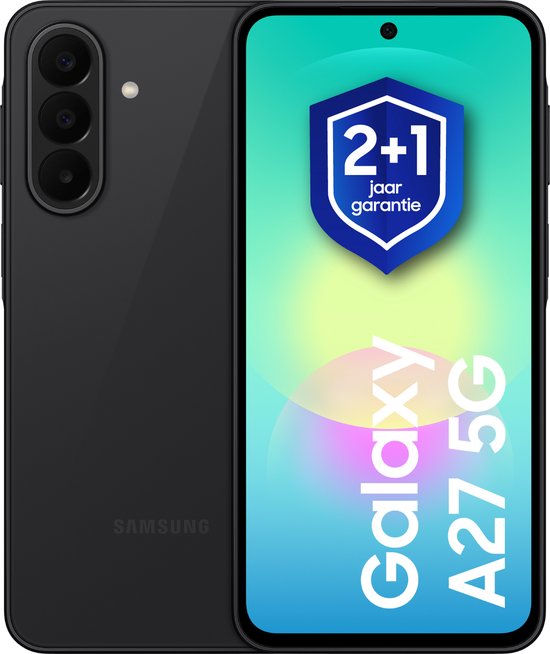
Xiaomi POCO C95 Pro (256 GB)
3 colours
256 GB · 8 GB RAM · 6.9″
 Bol.com
Samsung Galaxy A27 (128 GB)
3 colours
128 GB · 6 GB RAM · 6.7″ · 5G
 Bol.com
Samsung Galaxy A37 (128 GB)
128 GB · 6 GB RAM · 6.7″ · 5G
 Bol.com
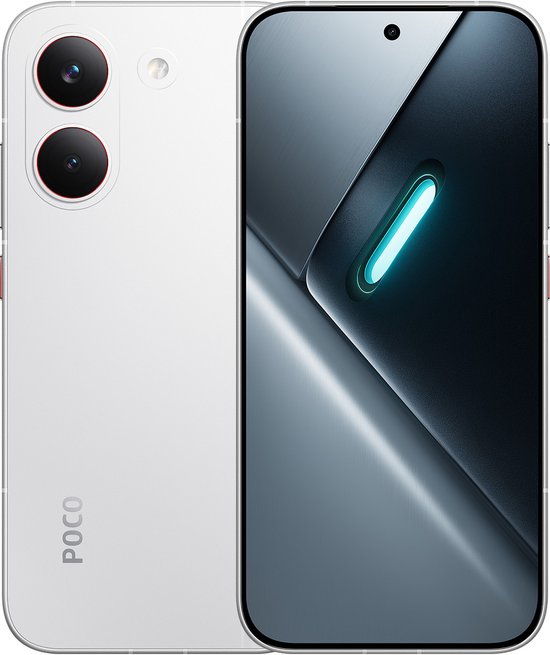
Xiaomi POCO X8 Pro (256 GB)
2 colours
256 GB · 8 GB RAM · 6.6″
The mid-range sweet spot: €300–600 with 256 GB
 Bol.com
Motorola razr 50 ultra (512 GB)
3 colours
512 GB · 12 GB RAM · 6.9″
 Bol.com
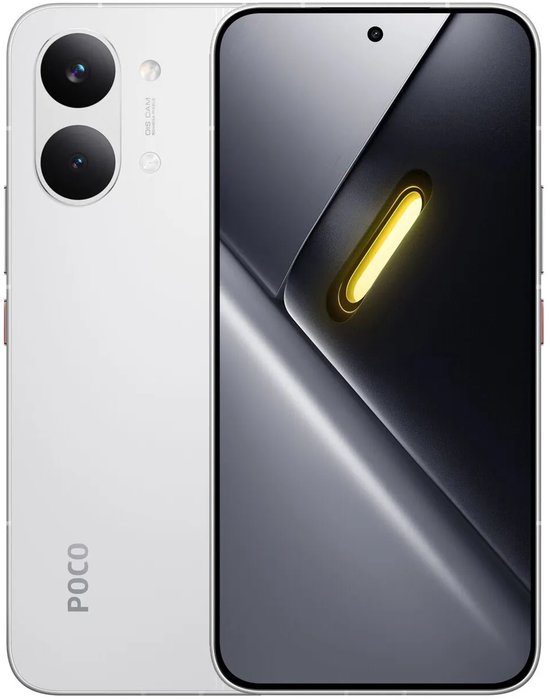
Xiaomi POCO X8 Pro Max (512 GB, White)
512 GB · 12 GB RAM · 6.8″
 Bol.com
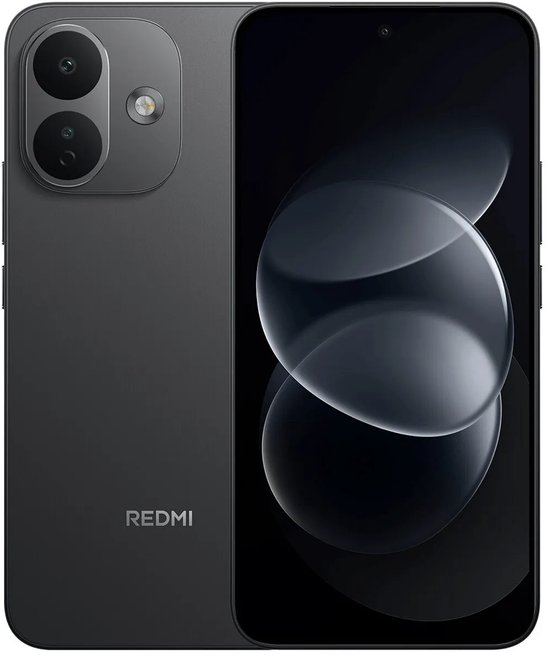
Xiaomi Redmi Note 17 Pro (512 GB, Black)
512 GB · 8 GB RAM · 7.0″ · 5G
 Bol.com
Motorola Edge 40 (256 GB, Black)
256 GB · 8 GB RAM · 6.5″
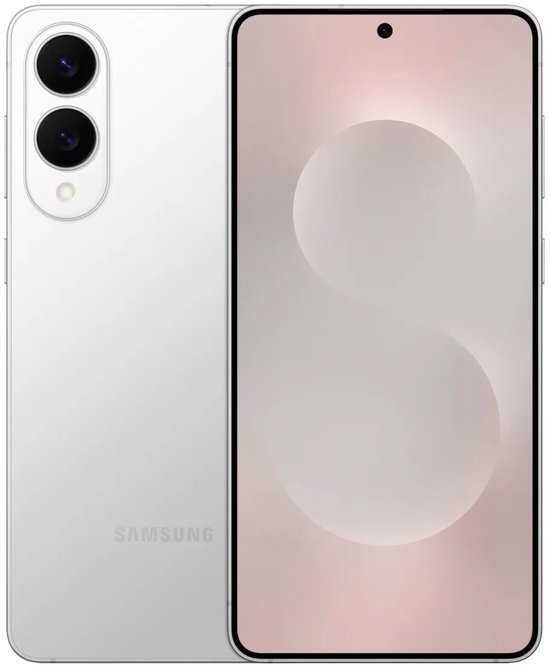
Samsung Galaxy
 Bol.com
Samsung Galaxy S25 Edge (256 GB, Silver)
256 GB · 12 GB RAM · 6.7″
 Bol.com
Samsung Galaxy A57 (128 GB)
4 colours
128 GB · 8 GB RAM · 6.7″ · 5G
 Bol.com
Samsung Galaxy S25 (128 GB)
5 colours
128 GB · 12 GB RAM · 6.2″ · 5G
 Bol.com
Samsung Galaxy A17 (128 GB)
3 colours
128 GB · 4 GB RAM · 6.7″ · 5G
Google Pixel
 Bol.com
Google Pixel 11 Pro XL (512 GB, Black)
512 GB · 16 GB RAM · 6.8″
 Bol.com
Google Pixel 11 Pro XL (256 GB)
3 colours
256 GB · 12 GB RAM · 6.8″
 Bol.com
Google Pixel 11 Pro (256 GB)
3 colours
256 GB · 12 GB RAM · 6.3″
 Bol.com
Google Pixel 11 (256 GB)
3 colours
256 GB · 12 GB RAM · 6.3″
Foldables
Bol.com Motorola razr 50 ultra (512 GB)
3 colours
512 GB · 12 GB RAM · 6.9″
 Bol.com
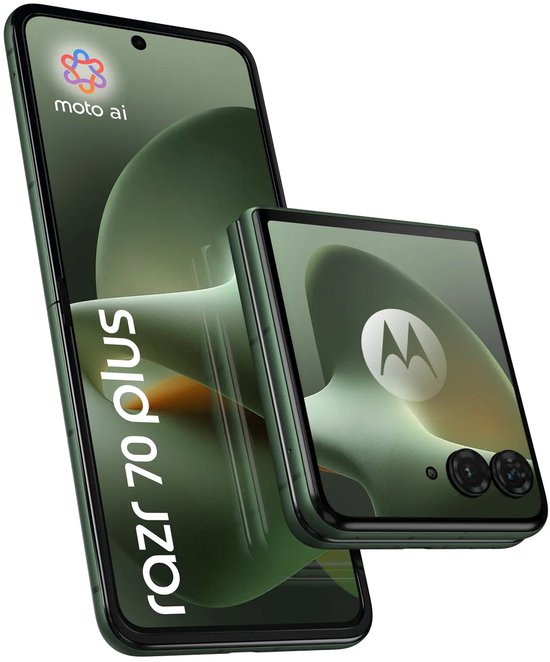
Motorola razr 70 plus (512 GB)
512 GB · 12 GB RAM · 6.9″ · 5G
 Bol.com
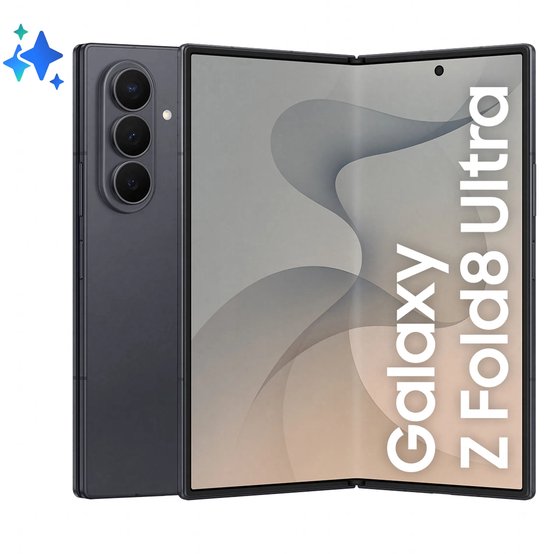
Samsung Galaxy Z Fold8 Ultra (256 GB, Graphite)
256 GB · 12 GB RAM · 8″
 Bol.com
Samsung Galaxy Z Fold8 (256 GB)
2 colours
256 GB · 12 GB RAM · 7.6″ · 5G